‹
›
‹
›




PRODUCT DETAILS
Product Parameters
Component Overview and Technical Evaluation
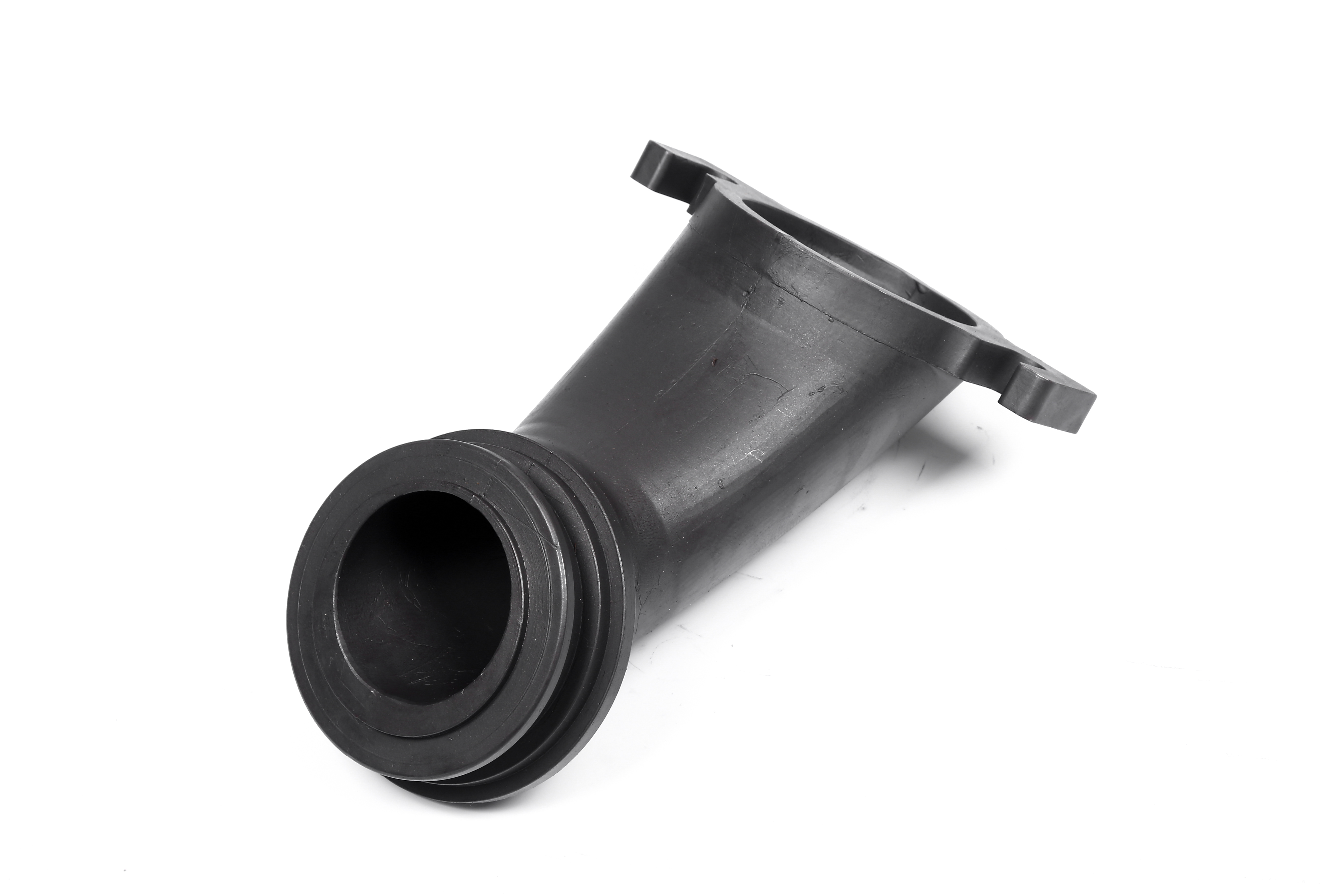
Component 595-016-007 is identified by its product code and silica sol precision casting method. These details provide a starting point for engineering review and procurement. Selection should also account for the approved drawing, material specification, and operating conditions, none of which are included in the available product information.
A duct generally provides a defined passage within an assembly. Depending on the equipment design, that passage may guide a process stream or connect adjacent sections. For this particular component, the conveyed medium, flow direction, connection arrangement, and installation location must be established from the relevant technical documentation before suitability is confirmed.
Understanding the Manufacturing Method
Silica sol precision casting is a form of investment casting. In this process, a disposable pattern is used to create a ceramic shell, with silica sol serving as a binder in shell preparation. The pattern is removed, molten metal enters the prepared mould, and the casting is recovered after solidification and shell removal.
Investment casting is commonly selected when component geometry would be difficult or inefficient to produce entirely through conventional machining. It can accommodate shaped contours and integrated features, subject to casting design requirements. This explains the process choice in general terms; it does not establish the dimensions, internal geometry, or manufacturing tolerances of this specific part.
For buyers, the documented method offers a useful basis for discussions about cast surfaces, machining allowances, and inspection access. However, the process name alone does not guarantee a particular surface roughness, dimensional accuracy, or defect acceptance level. Those requirements should be stated explicitly on the drawing or in an agreed purchasing specification.
Functional Considerations in an Assembly
The practical value of a duct component depends on how its passage and interfaces work with surrounding equipment. Alignment, connection geometry, and available installation space are therefore important review points. An apparently similar casting should not be treated as interchangeable without checking the features that determine fit and assembly position.
Where the component forms part of a controlled flow path, engineers should assess the relationship between passage geometry and the intended service. Flow capacity, pressure loss, leakage requirements, and cleaning access may matter, depending on the application. No numerical performance claims can be made for this item without dimensional data and appropriate engineering evidence.
Features and Practical Purchasing Advantages
- Specific identification: Code 595-016-007 provides a reference for enquiries, document matching, and purchase orders.
- Documented manufacturing route: Precision casting with a silica sol process establishes how the component is produced.
- Focused technical review: Knowing the casting method helps buyers raise relevant questions about finishing, inspection, and drawing requirements.
- Clear specification boundaries: Separating confirmed facts from unverified properties reduces the risk of selecting a component on assumptions.
These advantages concern identification and evaluation rather than unverified operating performance. Material strength, corrosion resistance, temperature capability, and service life depend on factors beyond the casting method. Any requirement in these areas needs supporting material data, processing information, and acceptance criteria appropriate to the intended equipment and working environment.
Application Review and Intended Buyers
Potential use should be evaluated wherever an equipment drawing calls for this exact component code or an approved equivalent. Relevant purchasing situations may include original equipment assembly, planned maintenance, or replacement sourcing. The available information does not identify a particular machine, industry, or operating medium, so compatibility must be verified rather than assumed.
Design engineers can use the process information when reviewing manufacturability and assembly interfaces. Procurement teams can use the code to request quotations against consistent documentation. Maintenance personnel can use it to begin replacement identification, while quality teams can establish the inspection records needed to support acceptance for their particular application.
Specification Checks Before Ordering
- Confirm identification: Match code 595-016-007 to the equipment documentation and verify the required drawing revision.
- Define the material: Obtain the alloy grade and any applicable chemical composition or mechanical property requirements.
- Check critical dimensions: Review connection sizes, locating features, overall envelope, and any assembly clearance requirements.
- Clarify finishing: Establish whether machined surfaces, deburring, cleaning, or other finishing operations are required.
- Agree acceptance criteria: Identify dimensional checks, material documentation, and any additional inspection needed for the service.
- Review operating conditions: Specify the medium, temperature, pressure, and external loads where relevant.
Inspection and Installation Planning
Receiving inspection should compare the supplied component with the purchase specification, not simply its visual appearance. Depending on the agreed requirements, checks may cover identification, accessible dimensions, connection surfaces, and casting condition. Material certificates or additional examination should be requested when required; their availability is not established by the product details provided here.
Before installation, verify that the component is clean and that mating parts match the approved arrangement. Follow equipment instructions for orientation, fastening, sealing, and commissioning. Do not infer pressure containment capability or sealing performance from the manufacturing method. Any necessary functional test should follow an approved procedure for the complete assembly.
Preparing a Technical Enquiry
For a quotation, reference code 595-016-007 and provide the drawing, required quantity, material specification, and inspection expectations. Include the intended service conditions if engineering review is needed. This allows outstanding details to be resolved before ordering and helps align the supplied casting with the actual installation requirements.
MESSAGE
*We respect your confidentiality and all information are protected.
RECOMMENDED PRODUCTS